
Preschool Diseases 101: The Germs Your Child Will Definitely Bring Home

Updated: Oct 28, 2025

Runny nose. Cough. Tummy bug. Repeat. If this sounds like your life since your child started preschool, take a deep breath. It’s normal (even if it’s driving you mad).
At Mums & Bums Mother & Baby Clinic, we often have parents asking why their preschooler is suddenly sick every other week.
Preschoolers are like little germ-sharing machines. They swap toys, hugs, and sometimes even sippy cups, which makes preschools the perfect breeding ground for sniffles, sneezes, and stomach bugs. It can be exhausting (and expensive) for parents, but fortunately, most of these illnesses are short-lived, manageable at home, and part of how children build strong immune systems.
This guide will walk you through the most common preschool diseases South African parents face, when to worry, and what you can actually do to survive “germ season” without losing your mind.
Why Preschool Kids Get Sick So Often
If you’re wondering why kids get sick in preschool or Googling “why is my baby always sick,” you’re one of millions of South African parents. Parents quickly notice that once preschool starts, so do the endless sniffles, coughs, and stomach bugs. It can feel like your toddler is sick all the time, and that’s because their immune system is still in training. Here’s what’s really happening:
Kids' immune systems are still developing.
Preschool-age children haven’t met many viruses and bacteria yet. Each new cold or stomach bug is their immune system’s way of “learning the ropes” and building protection for the future.
Preschool = germ-sharing paradise.
From toys and crayons to hugs and lunchbox swaps, preschools are the perfect environment for spreading germs. Even the cleanest, most careful preschool can’t prevent the occasional outbreak.
South African seasonal bugs.
Our winters bring a wave of flu and colds, while summer often brings tummy bugs that spread quickly in groups of little ones. If your child always seems sick from preschool, chances are it’s just the season working against you.
As frustrating as it is, most of these preschool germs are mild and short-lived. By the time your child hits primary school, their immune system will be far stronger, which means fewer sick days (for them and for you).

The Most Common Preschool Illnesses
If you’ve been Googling “common preschool illnesses in South Africa” after yet another sick day, you’re not alone. Some infections happen again and again. Here’s a guide to the illnesses most likely to follow your child home from preschool, and what you can do about them.
Vomiting & Stomach Bugs
Tummy bugs are one of the most common preschool illnesses, and they spread through classrooms faster than you can say “pass the crayons.” Parents often ask about “syrup to stop vomiting in a child” or whether there’s a quick fix, but most vomiting in toddlers comes from short-lived stomach viruses, and the biggest concern isn’t the vomiting itself. It’s dehydration.
Here’s what you need to know:
Rotavirus and other stomach bugs spread fast.
One sick child + shared toys = an entire class with the same bug within days. Preschools do their best to clean, but germs are crafty.
The main worry with a stomach bug is dehydration.
Kids lose fluids quickly when they’re vomiting or have diarrhoea. Signs to watch for include a dry mouth, fewer wet nappies, or unusual sleepiness.
When to worry vs when to wait out a stomach bug.
Most tummy bugs clear up within 24–48 hours. Visit our clinic in Rooihuiskraal if vomiting is persistent, if there’s blood in the vomit or stools, if your child refuses to drink, or if they show any signs of dehydration.
💡 For a detailed guide on managing vomiting and keeping kids hydrated, check out our full post on Vomiting & Dehydration in Children.
Fever
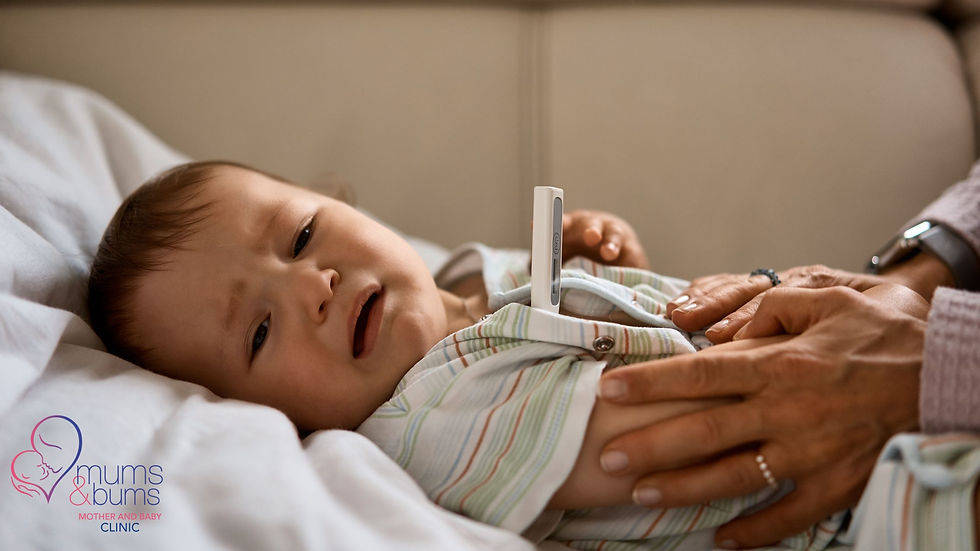
Searches like “toddler fever South Africa” are some of the most common panicked parent Google moments. The first thing to know is that fever is a symptom, not an illness. It’s the body’s natural way of fighting off infection, a sign the immune system is doing its job.

Here’s what matters most:
When a fever is safe to watch.
If your child is drinking, still a bit playful between naps, and their fever responds to medication, you can usually keep them comfortable at home.
When to see a doctor for a fever.
Get medical help if your baby is under 3 months, if the fever is very high (over 38.5°C), if your child is unusually sleepy or irritable, or if you notice other red flags like a stiff neck, difficulty breathing, or a persistent rash.
Practical parent tips for fevers.
Light clothing, plenty of fluids, and rest are usually enough. Medicine can help with comfort. Many parents search for “best fever medicine for toddlers South Africa” or wonder about Ponac for fever. The exact choice depends on your child’s age and health, so always follow the correct dosage guidelines and ask a professional if you’re unsure.
💡 For a step-by-step guide, visit our detailed post on Managing Fever in Children.
Diarrhoea
If your search history includes “toddler diarrhoea South Africa” or “child diarrhoea treatment South Africa,” you’re in good company. Preschoolers are prone to diarrhoea because classrooms are basically a perfect storm of food sharing, germs, and curious little hands. In short: preschool + food + germs = diarrhoea factory.
Here’s what you should know:
Rehydration is the most important step in diarrhoea treatment.
Forget about finding the quickest cure. Diarrhoea usually runs its course. The focus should be on keeping your child hydrated. Oral rehydration solutions (like Pectrolyte for diarrhoea) replace lost fluids and salts and are often more effective than plain water.
What you can try at home for diarrhoea.
Simple foods (think bananas, toast, rice) can be easier on the tummy. Time and fluids are usually the biggest healers.
When to worry about diarrhoea.
Visit us at Mums & Bums if diarrhoea lasts longer than a few days, if there’s blood in the stool, if your child is refusing to drink, or if there are signs of dehydration (dry lips, fewer wet nappies, unusual sleepiness).
💡 For an in-depth guide on dehydration, see our full post on Diarrhoea & Medication for Children.
Hand, Foot & Mouth Disease (HFMD)
One of the top Google searches is “hand, foot, and mouth disease South Africa.” And for good reason, HFMD is one of the most common preschool illnesses and spreads like wildfire once it enters a classroom. Here’s what you need to know:
Classic hand, foot, and mouth disease symptoms.
Toddlers often develop a fever, sore throat, and small blisters on the hands, feet, and inside the mouth. If you Google “hand, foot, and mouth symptoms toddler,” you’ll usually see pictures of the tell-tale spots.
Hand, foot, and mouth disease is highly contagious.
HFMD is notorious for preschool outbreaks. It’s spread through coughs, sneezes, saliva, and even nappies, which is why one sick child can mean half the class off within a week. Parents often ask, “How long does hand, foot, and mouth last?” Usually, 7–10 days, and “How long is hand, foot, and mouth contagious?” Kids are most contagious during the first week, but can still shed the virus for weeks after. And if your child has HFMD, chances are you’ll get it too.
Hand, foot, and mouth disease pregnancy safety.
HFMD is usually mild, but if you’re pregnant and exposed, it’s worth mentioning to your healthcare provider. While complications are rare, it’s always better to be cautious.
💡 For a full breakdown (including pictures, care tips, and when to worry), see our dedicated post on Hand, Foot & Mouth Disease.
Flu & Colds
It’s no surprise that “constant runny nose toddler preschool” is a regular search for parents. Between colds and flu, preschoolers can seem sick almost every month, and that’s actually normal. Most kids get 6–8 colds a year, sometimes more, once they start school.

Here’s what to expect:
Multiple colds per year = normal.
Preschoolers are building immunity. Each new bug they catch now helps them fight off future ones more easily.
South African flu season.
Winter (May to August) is peak flu season in South Africa, with viruses spreading fast in classrooms. Most colds and flu can be managed at home with fluids, rest, and comfort measures. And because a cold or flu is viral, antibiotics usually will not help.
When to test or see a doctor for the flu.
Most sniffles are just colds and don’t need a test. But if your child develops a very high fever, breathing difficulties, or seems unusually weak, it’s time for a check-up. Pregnant moms often wonder about “flu in pregnancy South Africa.” Flu can be riskier during pregnancy, so vaccination and early treatment are especially important.
💡 For everyday colds, patience and comfort go a long way. For actual flu, medical advice may be needed.
Tonsillitis
Another frequent culprit behind those endless sick days is tonsillitis. If you’re wondering why your toddler has a sore throat after your preschooler complains of pain when swallowing, spikes a fever, or refuses food.
Here’s the lowdown:
Classic tonsillitis symptoms.
Tonsillitis usually comes with a sore throat, fever, swollen glands, and sometimes white patches on the tonsils. Kids may also complain of ear pain or bad breath.
Why preschoolers get tonsillitis so often.
Tonsillitis can be viral (linked to colds/flu) or bacterial (like strep). Since preschoolers are constantly exposed to both, it’s no wonder it keeps coming back.
When to see a doctor for tonsillitis.
Mild cases often improve on their own with rest, fluids, and fever medicine. But if your child has persistent fever, severe pain, difficulty swallowing, or repeated infections, a doctor’s visit is important to rule out a bacterial infection that may need antibiotics.
💡 Recurrent tonsillitis is common in preschool years. Some children may eventually need their tonsils checked by an ENT if recurring infections persist.
Other Preschool Germs
Not every illness gets its own headline, but there are a few classic germs that most South African parents will come across during the preschool years.

Chickenpox
Chickenpox often spikes every few years because it tends to come in waves. It usually causes an itchy blister-like rash, mild fever, and tiredness. While most cases are mild, keep kids home until the spots have crusted over to avoid spreading it.
Ear infections
If your little one seems to get ear infection after ear infection, you’re not alone. Repeated infections may be linked to enlarged adenoids or fluid build-up in the middle ear. An Ear, Nose, and Throat doctor can check if it’s something that needs extra support.
The “forever runny nose” toddler
Does your child seem to have a permanent runny nose? Between colds, allergies, and enlarged adenoids, that constant drip is often just part of this age group’s reality.
💡 While most of these issues are part of preschool life, talk to us if symptoms are severe, keep coming back, or don’t seem to improve with time.
Sick Child Checklist: When to Worry and Get Help
Most preschool illnesses are short-lived and more annoying than dangerous. But if you’ve ever typed “when to worry about a sick child” into Google at midnight, you’ll know how stressful it feels trying to decide whether to ride it out or head to the doctor. Here are some clear red flags to watch for:
High or persistent fever
Toddler fever is something we are often asked about. If your child’s fever is above 38.5°C, lasts more than three days, or doesn’t respond to medication, it’s time for medical attention.
Signs of dehydration
Parents often miss the subtle signs, but common signs of baby dehydration include a dry mouth, fewer wet diapers, sunken eyes, or unusual sleepiness. Vomiting and diarrhoea are the most common culprits.
Breathing difficulties or unusual lethargy.
If your child is struggling to breathe, unusually limp, or not waking easily, don’t wait. Get urgent care.
Other concerning toddler symptoms.
A stiff neck, persistent rash, severe pain, or blood in vomit/stools should always be checked immediately.
Trust your instincts. You know your child best. If something feels “off,” it’s worth getting a professional opinion.
If you’re worried and want your child checked, you can book a consultation online with us in just a few clicks.

What Parents Can Do To Prevent Toddler Germs
Every parent eventually Googles “how to prevent preschool sickness” after yet another round of sniffles. While you can’t stop every germ, there are smart steps that make life a little easier (and healthier) for your child. Here’s what really helps:
Build an at-home medicine kit.
Include a thermometer, oral rehydration sachets, fever medicine, and extra tissues to save you from late-night pharmacy runs. See our complete guide on what medicines you should be stocking at home, for when your child is sick.
Practical cleaning and handwashing.
Wipe down shared toys after a stomach bug and remind little ones about handwashing before meals. It won’t prevent everything, but it does reduce the spread.
Know when to keep kids home.
The rule of thumb: if they have a fever, vomiting, diarrhoea, or a contagious rash, they need rest at home (and it helps protect other children too).
Boost your child's immunity.
A balanced diet, good sleep, and vaccines are the strongest defences. Some parents also like adding a daily multivitamin. Popular options in South Africa include Creche Guard and Vi-Daylin. While these are not a magic shield, they can support overall nutrition, especially in picky eaters.
💡 Want a full guide on how vaccines protect kids from serious illnesses? Check out our post on Childhood Immunisation in South Africa.
Not sure if your child’s symptoms mean a sick day at home or a clinic visit? Book a minor illness consultation online for peace of mind.
Keeping Perspective
If you’re wondering “why kids get so many colds” or if it’s “normal for my child to be sick all the time,” the short answer is: yes, it’s normal. In fact, getting sick is part of how preschool kids build stronger immunity.
Think of every cough, sneeze, or stomach bug as a training session for your child’s immune system. By the time they’re around 6 or 7 years old, most kids have already battled a wide range of germs, which means fewer sick days as they grow.
So while it feels endless now, this phase won’t last forever. And one day, you’ll look back and realise your child hasn’t missed school in months, and you’ve finally finished a box of tissues before it expires.
💡 Bottom line: Preschool germs are frustrating, but they’re also shaping your child’s future health. Hang in there, you’re raising a strong little immune warrior. And remember, you don’t have to figure it out alone. If you’re unsure, please contact us, and our nurse will be happy to guide you.
Frequently Asked Questions About Preschool Sicknesses
Why is my toddler always sick after starting preschool?
Preschool is full of new germs. Children’s immune systems are still developing, so frequent colds and stomach bugs are expected. Most children outgrow this by age 6–7.
Can I send my child to preschool with a runny nose?
If it’s just a clear runny nose and they feel fine, most schools allow attendance. But keep them home if they have a fever, diarrhoea, vomiting, or a contagious rash.
How can I stop my child from getting sick at preschool?
You can’t prevent every illness, but handwashing, balanced meals, enough sleep, vaccines, and daily vitamins like Creche Guard or Vi-Daylin can help reduce the frequency.
When should I take my child to the doctor for a fever?
Seek care if your child is under 3 months, has a fever over 38.5°C, seems very unwell, or shows red flag symptoms like a stiff neck or breathing problems.
What is the most common preschool illness in South Africa?
Stomach bugs, colds, flu, ear infections, and hand, foot & mouth disease are the most common.
Need Extra Peace of Mind?
Preschool germs may be part of the journey, but you don’t have to handle them alone. Mums & Bums Mother & Baby Clinic is here to guide you through every sniffle, fever, and tummy bug.
If you’re worried about your child’s symptoms or want reassurance, you can book a consultation online or contact us today. Sometimes a quick check-in is all it takes to feel calmer and know your little one is on the right track.


Comments